You provide the funds that the TPA uses to pay all covered health claims. Ad Instantly See Prices Plans and Eligibility.
How Self Insured Employers Manage Healthcare
Self-funded employers often select a third-party administrator TPA to process their claims and a pharmacy benefit manager PBM to administer their prescription benefits.

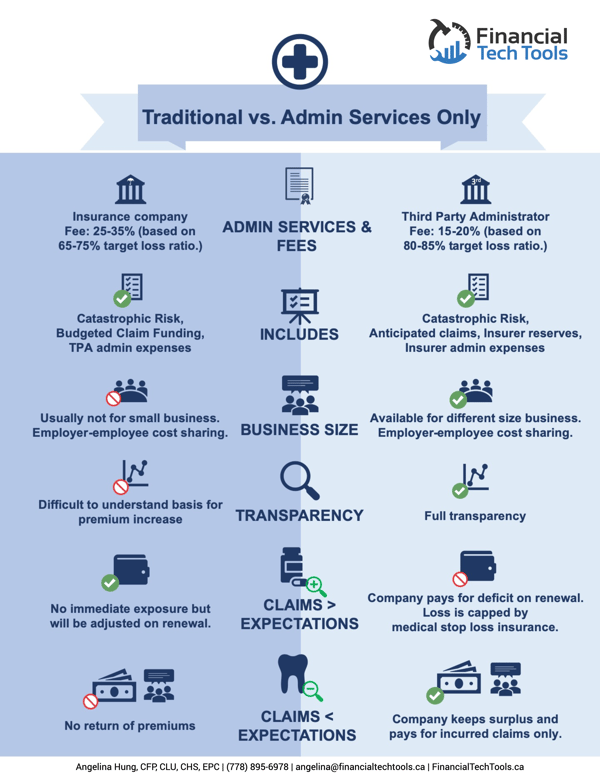
. Some insurance companies contract as TPAs. Employers pay TPAs a fee to manage employee claims and other incidental activities. Self-funding is a financial arrangement where the business assumes the risk of providing healthcare benefits to its employees instead of purchasing a fully-insured plan through an insurance carrier and paying the associated premiums.
This can disguise the facts if your plan is self-funded. Since they are specialized firms TPAs have the expertise employers often do not have to manage self-funded health insurance plans. As the name implies TPAs are third-party entities that handle the administrative aspects of self-funded health plans.
How can TPAs help self-funded health plans. The names of both the TPA and employer appear on the benefits handbook and claim forms. Ad Enter Your Zip Code Compare Prices.
But it is not always a solution for every organization. The third party administrator TPA found that with the right approach to interpreting plan data and understanding population trends employers can transform data into an effective strategy for health plan success. An insurance company can also be a TPA so make sure you and your employees know when it is providing actual insurance and when it is just a TPA.
Self-funded insurance also known as self-insurance is an insurance plan where employers cover out-of-pocket claims and expenses for their employees. They can go with administration services provided by one of the large national insurers or outsource claims processing and other administrative functions to a TPA. Thats because an advantage of self-funding is that every plan is totally unique and every employer whether public- or private-sector will have different priorities for customizing and administering one.
The specific TPA costs stop-loss premiums and potential savings opportunities associated with a self-funded insurance plan are all subject to how you and your company create your insurance policy. Most plans administered by TPAs involve some degree of self-funding aka. Thats why employers work with partners to help them with their benefits.
All potential barriers and objections should be assessed along with timing before considering a shift. The one-off arrangement works as follows. In self-insured plans insurers are considered third party administrators TPAs.
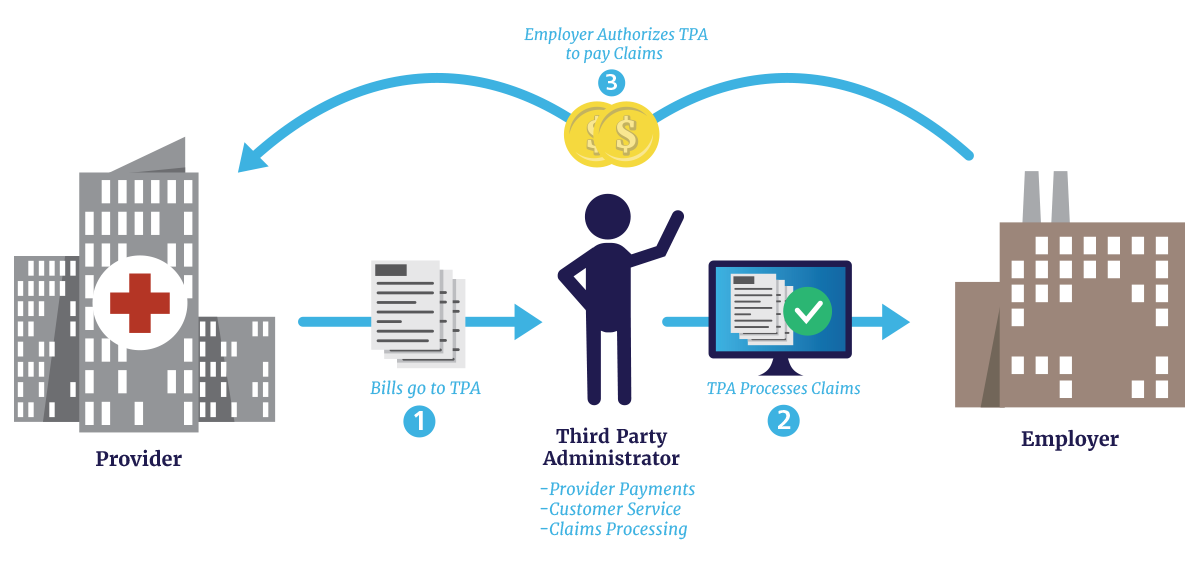
Self-funded employers normally hire third-party administrators TPAs to keep track of premiums claims and related paperwork. So for example the provider charges 100 for a service. The business chooses to pay its own claims through a third-party administrator TPA such as Geisinger Health Plan.
By handling collection of premiums processing claims and keeping list of members Third party claims administrators are classified as. As helpful as it might sound there is no checklist to follow in choosing the right third party administrator TPA to implement your self-funded plan. Obamacare Coverage Does Not Expire Until the End of 2022.
All TPAs provide a base level of serviceservices such as claims adjudication customer service eligibility maintenance and ID card production. A third-party administrator or TPA is an organization that processes health andor other claims for an employer benefit plan. Verily Launches Tech-Focused Payer for Self-Funded Employers TPAs process and adjudicate claims.
Get Affordable Health Insurance Quotes Now. Employers usually reach out to consultants or third-party administrators TPAs or health plan administrators for assistance in designing plans that meet the needs of their employee populations. To do this an employer will typically work with a third-party administrator TPA to develop a plan that they believe will meet the needs of their employees.
This success can come in the form of both improved health outcomes for plan participants and reduced health care spend. Obamacare Coverage from 30Month. Stability of the funding comes via stop-loss reinsurance.
To maneuver the different healthcare options and put together a comprehensive plan for your employee population it could be very strategic to also consult a health benefits broker. The plan administrator shops the final payment rate by accessing a discount from another network and simply pays a percentage of the savings on that network rate. Most of the large self-funded employers are with carriers or with large national TPAs because the small TPAs just dont have the breadth of services that they need or the networks that they need says.
TPAs help employers determine the level of stop-loss coverage they need to cover extremely large claims based on their risk tolerance and claim history. Self-funding has proved so popular that as noted earlier many of the insurance companies and Blue Cross Blue Shield and HMOs are offering self-funding as their primary product. TPAs manage your employee health plan by performing many of the tasks listed above.
How do self-insured employer plans work. A self-funded plan with a specialty TPA relationship can be a tremendous advantage for the right health system. The primary network A discount is 10.
When an employer group chooses to self-fund they contract with a TPA to provide service for the benefit plan.

Elevating Tpa Partnership Expectations For Self Funded Health Systems
What Are Self Funded Health Plans Aka Self Insured Benefit Plans
Employer Health Third Party Administrators Harris Williams



0 Comments